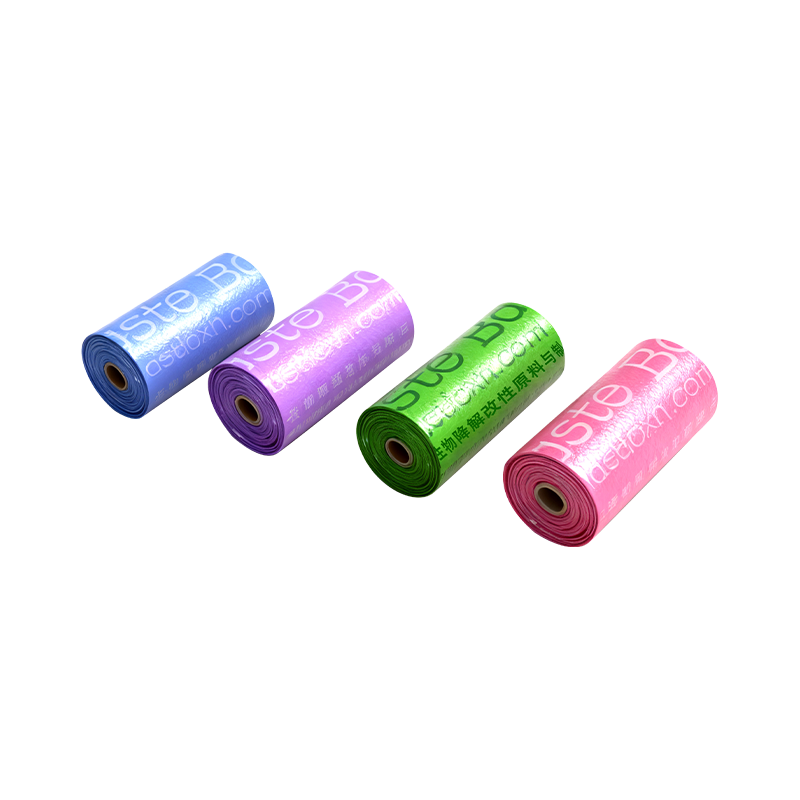
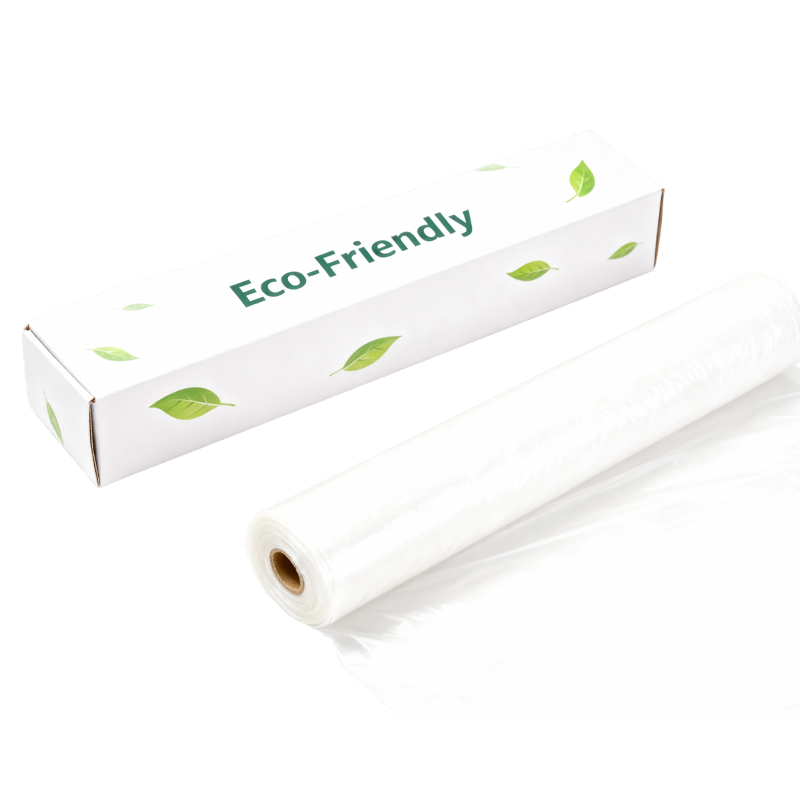
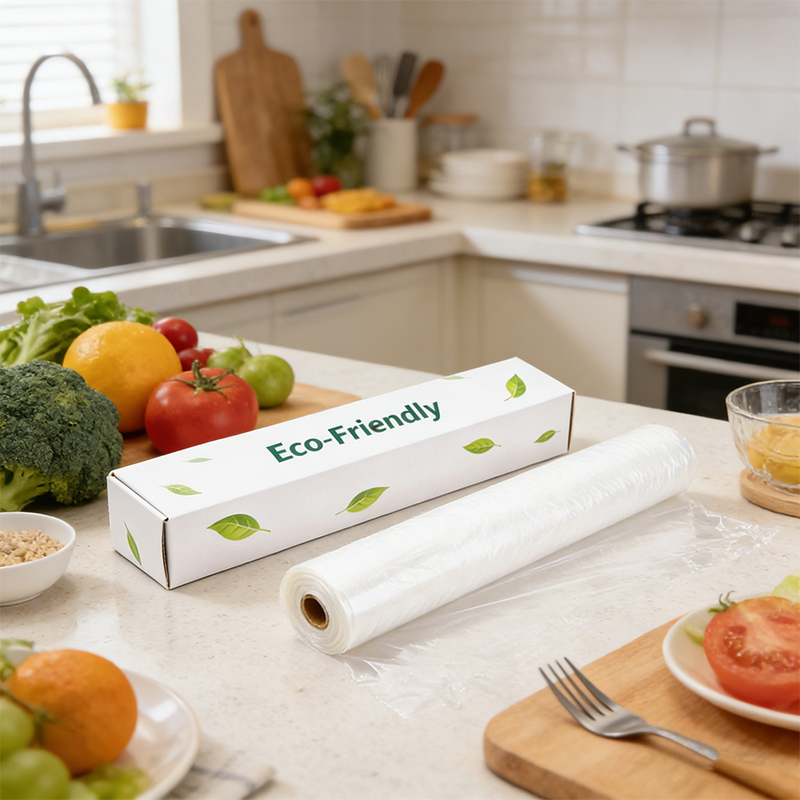
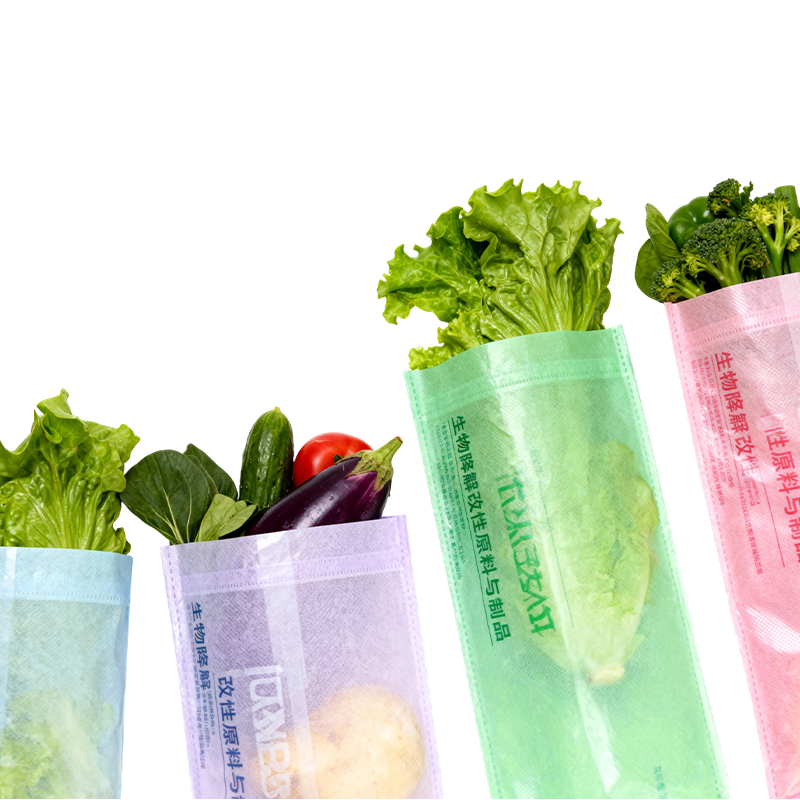
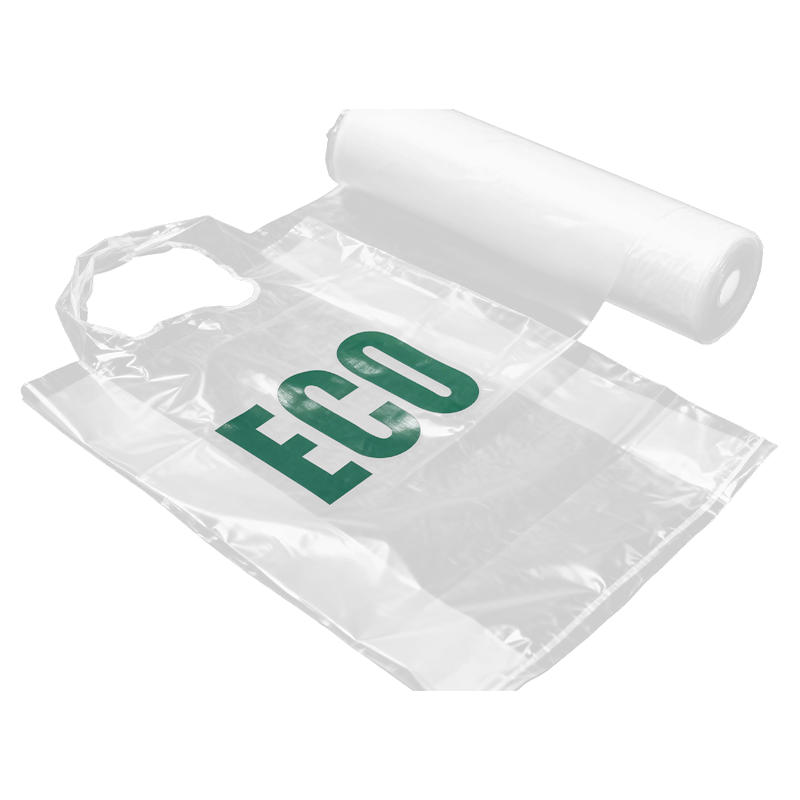
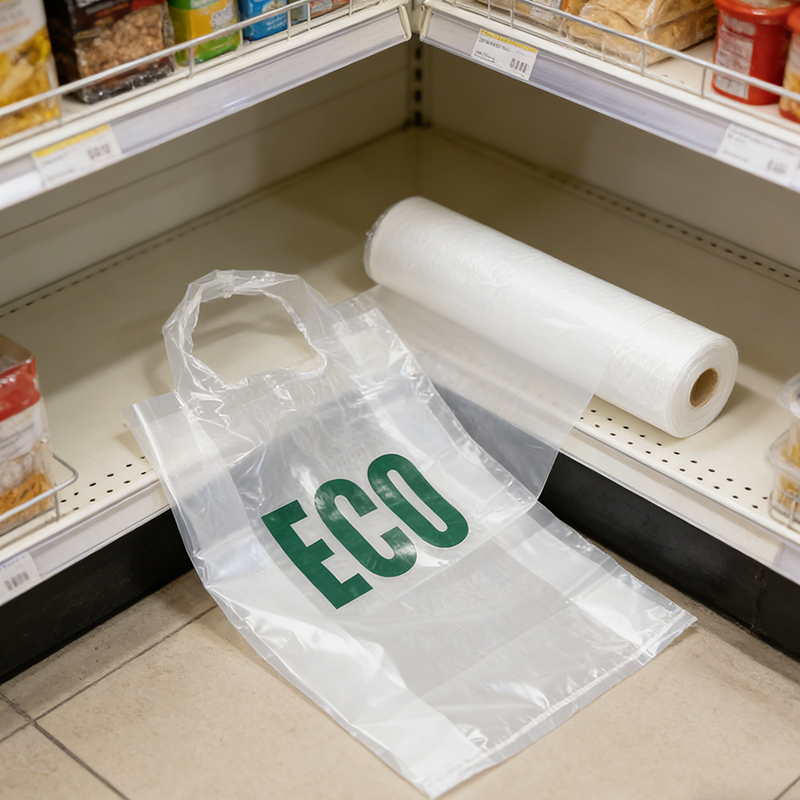
Biodegradable materials are designed to break down naturally into harmless substances such as carbon dioxide and water through microbial action in the environment. These materials offer significant environmental benefits and are increasingly used across various industries, especially in films for packaging and other applications.
Types of Biodegradable Films:
Bio-based Plastics: Derived from plant sources or microorganisms, examples include PLA (Polylactic Acid) and PHA (Polyhydroxyalkanoates). These materials are not only renewable but also decompose efficiently in natural environments.
Petroleum-based Biodegradable Plastics: PBAT (Polybutylene Adipate Terephthalate), made from petrochemical products, is another popular biodegradable plastic used in films. Despite its petroleum origin, it offers biodegradability through microbial action.
Cellulose Fibers: Materials like sugarcane fiber, wheat straw fiber, and wood pulp fibers are sourced from plants. These fibers are renewable and easily decomposed by microorganisms, making them ideal for biodegradable film applications.
Chitosan Fibers: Extracted from marine animals, such as shellfish, chitosan has unique biological activity and is biodegradable, often used for film applications where antibacterial properties are required.
Degradation Mechanisms:
Biodegradable: Microbial decomposition breaks down materials like PLA and PBAT into natural elements.
Photodegradable: Some biodegradable films, such as certain formulations of PLA, decompose when exposed to sunlight.
Photobiodegradable: A combination of light and microbial degradation is utilized in specific biodegradable films to ensure effective breakdown.
Hydrolytic Degradable: Water molecules degrade certain biodegradable plastics, a property seen in films that interact with moisture in the environment.
Advantages of Biodegradable Films:
Eco-friendly: Biodegradable films naturally break down, reducing the environmental impact of waste and helping combat plastic pollution.
Safe and Non-toxic: Made from natural, non-toxic materials, these films are safe for use in food packaging, medical applications, and more.
Functional: Offering good physical properties such as breathability and moisture-wicking, biodegradable films are highly versatile.
Wide Range of Applications: These films can be used across various sectors, including packaging, textiles, agriculture, and healthcare, making them a sustainable alternative to conventional plastics.
Biodegradable films are thus crucial in the transition toward more sustainable materials in industries that rely heavily on single-use plastics


 English
 中文简体
中文简体 Español